Your cart is empty
Tax included and shipping calculated at checkout

Drawer menu
Tax included and shipping calculated at checkout

With winter approaching, choosing designer winter boots is less about anticipating a single cold-weather look and more about understanding how you will wear them. Will you walk between meetings, commute across city streets, or pack a pair for a weekend away? Your routine should shape the decision.
The best pair brings together considered design, comfortable fit, useful traction, and materials you are prepared to care for. Italian suede boots can offer a refined balance of softness and everyday presence, especially in a winter wardrobe built around neutral layers. But suede is not automatically suited to every climate or condition. Look closely at the construction, understand the limits of the material, and choose for the winter you actually experience.
A boot intended for dry, cold city days may differ from one you need for regular slush, deep snow, or prolonged time outdoors. Before comparing designer winter boots, consider how much walking you do, what surfaces you cross, and how severe the weather tends to be where you live and travel.
For commuting and urban wear, look for a substantial outsole with a clearly defined tread. A textured sole can offer a steadier feel on ordinary streets, but tread alone does not guarantee secure footing on ice. If your winter includes frequent snow and icy conditions, prioritize boots specifically designed and described for those conditions. A dedicated technical boot may be the more practical choice.
Warmth matters, too. Consider whether the boot has a lining and enough room for the socks you intend to wear. More insulation is not automatically better if your feet become cramped or uncomfortable during a long day.
Match the boot to the weather you face most often. A beautiful pair should work within your routine, not ask you to ignore it.
Italian suede has a soft nap and subtle depth that can make a winter silhouette feel relaxed yet polished. Its appeal is tactile as well as visual. Still, the phrase “Italian suede” does not, by itself, tell you how a boot will handle moisture, wear, or repeated use.
Before choosing Italian suede boots, inspect the details that will matter after the first impression:
Ask the retailer how the suede should be protected and cleaned. If the product is not described as waterproof, do not assume it is. Water-resistant treatments and waterproof construction are not the same, and product care instructions can vary. For general guidance, consult Timberland’s advice on waterproofing boots and shoes, and always follow the care directions supplied for your specific pair.
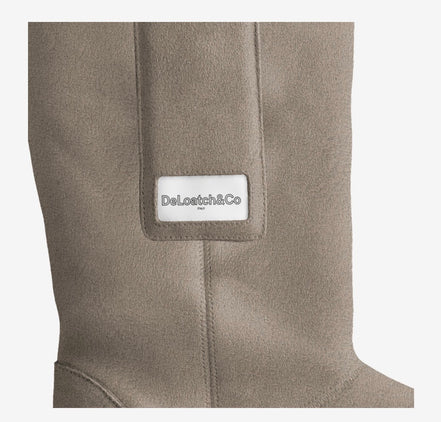
Material quality is one part of longevity. Construction and appropriate use matter just as much.
A refined boot should feel comfortable in motion, not only look composed when you stand still. Try boots on with the socks you expect to wear, ideally later in the day when your feet may be slightly fuller. Your toes should have room to move, while your heel should feel reasonably secure. Walk, bend your foot, and try a flight of stairs if possible.
Avoid buying a pair that pinches in the hope that it will stretch significantly. Some materials soften with wear, but a painful fit is not a reliable path to comfort. If you use orthotics, bring them when trying boots on. Size labels can vary across brands, so use the maker’s own sizing guidance rather than assuming your usual size will always fit.
For travel, consider how easily the boots work with your regular wardrobe and how they feel after several hours on your feet. A boot that transitions from a commute to an airport lounge, or from denim to a more tailored layer, may see more use than one reserved for a narrow set of outfits.
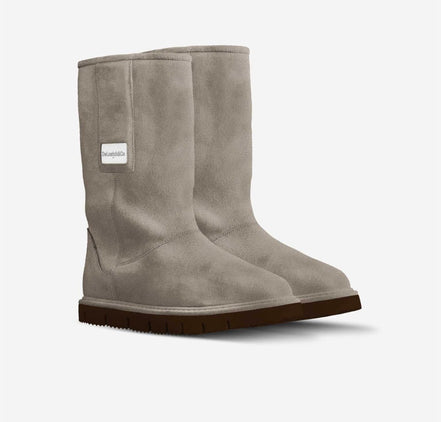
Designer winter boots can be distinctive without depending on an exaggerated silhouette. Neutral shades such as taupe, light gray, brown, and black often move easily through a considered wardrobe. The right choice depends on what you already wear and how much contrast you want.
Consider whether the boot works with:
Timeless does not mean plain. A distinctive emblem, rounded toe, or substantial sole can give a boot character while leaving room for repeat wear. The most versatile design is not automatically the quietest; it is the one that feels natural with your own clothes.
For more ideas on building a composed travel wardrobe, explore our guide to luxury airport outfits that travel well.
Suede rewards a light, consistent routine. Before applying a protector, check the manufacturer’s instructions and test any product on a discreet area, since treatments may affect color or texture. Choose products intended for suede, and avoid assuming that one treatment makes a boot suitable for heavy rain or deep snow.
After wear, let damp boots dry naturally at room temperature. Keep them away from direct heat, which may affect the material. Once dry, use a suede brush gently to lift the nap and remove loose surface dirt. If salt, persistent marks, or significant moisture damage appear, consult the care guidance or a specialist rather than scrubbing aggressively.
Between wears, store boots clean and dry, away from prolonged sunlight and heat. Light stuffing can help support their shape. A simple routine can preserve the finish and keep them ready for the next cold morning.
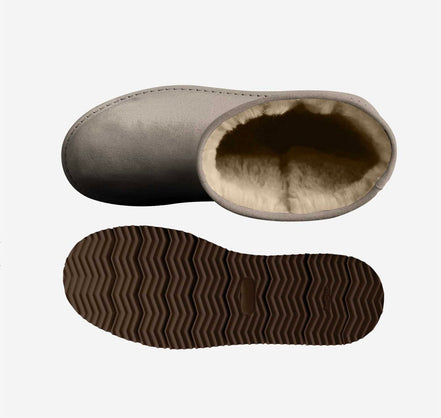
The DeLoatch & Company Italian Suede Space Boots offer a modern interpretation of the familiar winter boot. Their soft taupe/light gray Italian suede, rounded toe, mid-calf profile, and signature metal emblem create a distinctive look with a calm, versatile palette.
The textured outsole gives the silhouette a substantial foundation, while the streamlined shape suits city routines, travel, and elevated streetwear. Pair them with denim and a relaxed coat, move into layered casual pieces for a weekend, or use the neutral color to balance darker winter clothing. As with any suede boot, consider your weather and care needs before wearing them in wet or heavily salted conditions.
Features
Perfect for: City wear, commuting, travel, casual styling, and cold-weather days when conditions suit suede.
Price and designer recognition can contribute to a purchase, but neither proves a boot’s lasting value. Consider material, construction, fit, care, and how often you expect to wear it. Spend more when the quality is tangible and the design supports your real routines. Spend carefully when a boot’s appeal depends mainly on a passing trend or a use case that rarely fits your life.
Italian suede boots can be a considered choice for a largely urban winter, while a dedicated waterproof or technical boot may be more appropriate for persistent snow and severe weather. Both approaches are valid. The right pair is the one that serves your conditions, feels comfortable, and remains appealing after seasonal novelty fades.
Choose with intention. Care for the material. Step into winter with confidence.


